
San Bernardino
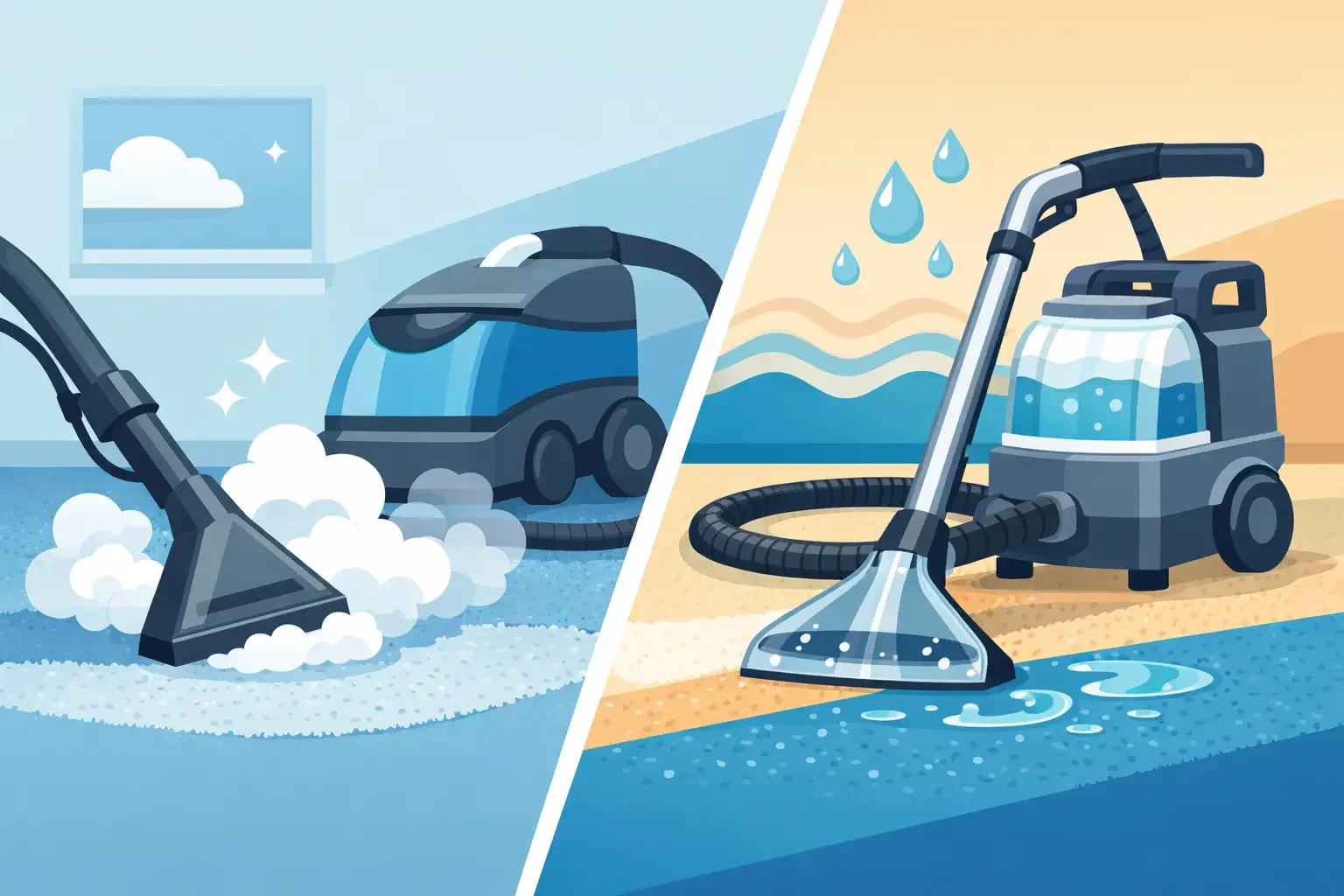
Hot water extraction vs steam cleaning
San Bernardino is our hometown and offer special deals for our neighbors!
A carpet can look clean on the surface while holding tracked-in soil, pet oils, food residue, and cleaning product buildup down in the pile. That is why the question of steam cleaning vs hot water extraction matters when you are comparing carpet cleaning services. The short answer is that, in most professional carpet cleaning conversations, the two terms describe the same general deep-cleaning method.
The confusion comes from the word "steam." Many homeowners use it to describe any professional carpet cleaning that uses hot water and a powerful machine. Technically, however, hot water extraction does not clean carpet with dry steam vapor. It uses heated water, cleaning solution when needed, and strong vacuum extraction to rinse out soil and moisture.
Is steam cleaning the same as hot water extraction?
For most carpet cleaning companies and customers, yes. "Steam cleaning" is the familiar everyday name for hot water extraction. A technician applies a controlled hot-water rinse into the carpet fibers and immediately extracts it with a high-powered vacuum. The process removes loosened dirt, residues, and moisture at the same time.
True steam vapor cleaning is different. It uses very low-moisture vapor at high temperatures and is more commonly associated with hard surfaces, certain detailing jobs, and sanitation-focused cleaning. It is not the standard method for deep-cleaning wall-to-wall carpet.
So if a company says it offers steam cleaning, ask one clear question: do you use hot water extraction with professional equipment? That answer tells you far more than the label alone.
How hot water extraction actually cleans carpet
Hot water extraction is not just spraying hot water on carpet. Done correctly, it is a sequence of steps designed to loosen soil and remove it without leaving excess residue behind.
First, the carpet should be inspected. The cleaner needs to identify fiber type, heavy traffic lanes, pet spots, stains, and areas that may need special treatment. A light-colored synthetic carpet with everyday soil needs a different approach than wool, delicate upholstery fabric, or a rental property with years of embedded traffic patterns.
Next comes dry soil removal. Vacuuming is often overlooked, but it matters because much of the debris in carpet is dry and should be removed before moisture is introduced. A pre-treatment is then applied where appropriate to break up oily soil and grime that plain water will not remove easily.
After a brief dwell time, the technician may agitate heavily soiled areas. The hot water extraction step follows: heated water is rinsed through the fibers while a strong vacuum pulls the dirty solution back out. The goal is not to soak the carpet. The goal is to flush and recover as much soil and moisture as possible.
Professional truck-mounted equipment generally provides more consistent heat, vacuum power, and water recovery than a small rental machine. That difference can be especially noticeable in hallways, living rooms, rental turnovers, and homes with pets or active families.
What the process can and cannot do
A proper extraction cleaning can make a major difference in appearance, odor, and overall freshness. It can remove a large amount of soil that vacuuming alone cannot reach, and it helps reduce the sticky residue that can make carpet attract dirt again quickly.
Still, no honest cleaner should promise that every stain will disappear. Some stains permanently alter carpet color, especially bleach, dye, rust, paint, older pet damage, and certain food or drink spills. Traffic lanes can also show wear after the soil is removed because the fibers themselves have been crushed or worn down.
The best result comes from matching the treatment to the condition of the carpet, not from making unrealistic promises before anyone has seen it.
Steam cleaning vs hot water extraction: what matters most
When deciding between services, the name of the method is less important than how the company performs it. A low price does not help much if the cleaner rushes through the job, leaves the carpet overly wet, or raises the price after arriving at your home.
Look for a provider that explains what is included in the quote, uses professional extraction equipment, and is willing to discuss spots or problem areas before cleaning begins. Cleaning chemicals, basic pre-treatment, and the extraction process should not become surprise add-ons after you have already scheduled the appointment.
For Inland Empire homeowners, renters, landlords, and property managers, this is often the real issue. You want a clear price, an on-time appointment, and a cleaner who is accountable for the work - not a vague offer that changes at the door.
IE Carpet Care uses truck-mounted hot water extraction, commonly called steam cleaning, for deep carpet cleaning. As an owner-operated local business, the focus is straightforward: explain the work, provide the quoted service, and avoid hidden fees or last-minute price changes.
When hot water extraction is the right choice
Hot water extraction is usually a strong choice for routine professional carpet maintenance and for carpets with visible soil, traffic lanes, pet hair, everyday spills, or general dullness. It is also useful before move-in or move-out, after a busy holiday season, or when preparing a rental property between tenants.
It is particularly effective when the carpet needs a real rinse rather than a surface refresh. Encapsulation and low-moisture cleaning methods can have a place in commercial settings that need very fast dry times, but they do not always provide the same flushing action as a thorough extraction service.
That said, extraction is not automatically the answer for every material. Some delicate fibers, unstable dyes, or specialty rugs require lower moisture, cooler temperatures, or a different cleaning method. A careful technician should inspect first instead of applying one approach to every surface.
Dry time is about more than the cleaning method
Many people worry that extraction cleaning means wet carpet for days. It should not. Drying time depends on carpet thickness, humidity, airflow, soil level, how much rinsing was needed, and the power of the extraction equipment.
In many homes, carpet is dry within several hours, though thick carpet, humid weather, and heavily soiled areas can take longer. Turning on ceiling fans, running the air conditioner or heater as needed, and keeping foot traffic light until the carpet is dry can help.
A technician who over-wets carpet or has weak vacuum recovery can create a longer dry time. That is another reason equipment and technique matter more than marketing language.
Questions worth asking before you book
You do not need to become a carpet-cleaning expert before hiring someone. A few practical questions can help you avoid poor service and unclear pricing. Ask whether the quoted price includes necessary cleaning solutions, whether the company uses hot water extraction, and whether there are extra charges for stairs, pet treatment, heavy soil, or spot removal.
Also ask about the expected dry time and whether the person arriving is the owner, an employee, or a subcontractor. There is nothing wrong with a larger company, but clear answers and direct accountability make a difference when you are allowing someone into your home or preparing a property on a deadline.
Customer reviews and real project photos can also tell you more than a discount coupon. Look for comments about communication, punctuality, pricing, and whether the final bill matched the original quote.
A cleaner carpet starts with a clear expectation
The practical answer to steam cleaning vs hot water extraction is simple: for most residential carpet cleaning, they are two names for the same professional deep-cleaning approach. What separates a good result from a disappointing one is the inspection, treatment, equipment, extraction power, and honesty behind the service.
Before scheduling, describe the carpet condition as accurately as you can, mention pets and specific stains, and ask for a straightforward quote. A good cleaning appointment should leave you with fresher carpet and a clear understanding of what was done - not a surprise charge or a sales pitch after the technician arrives.